
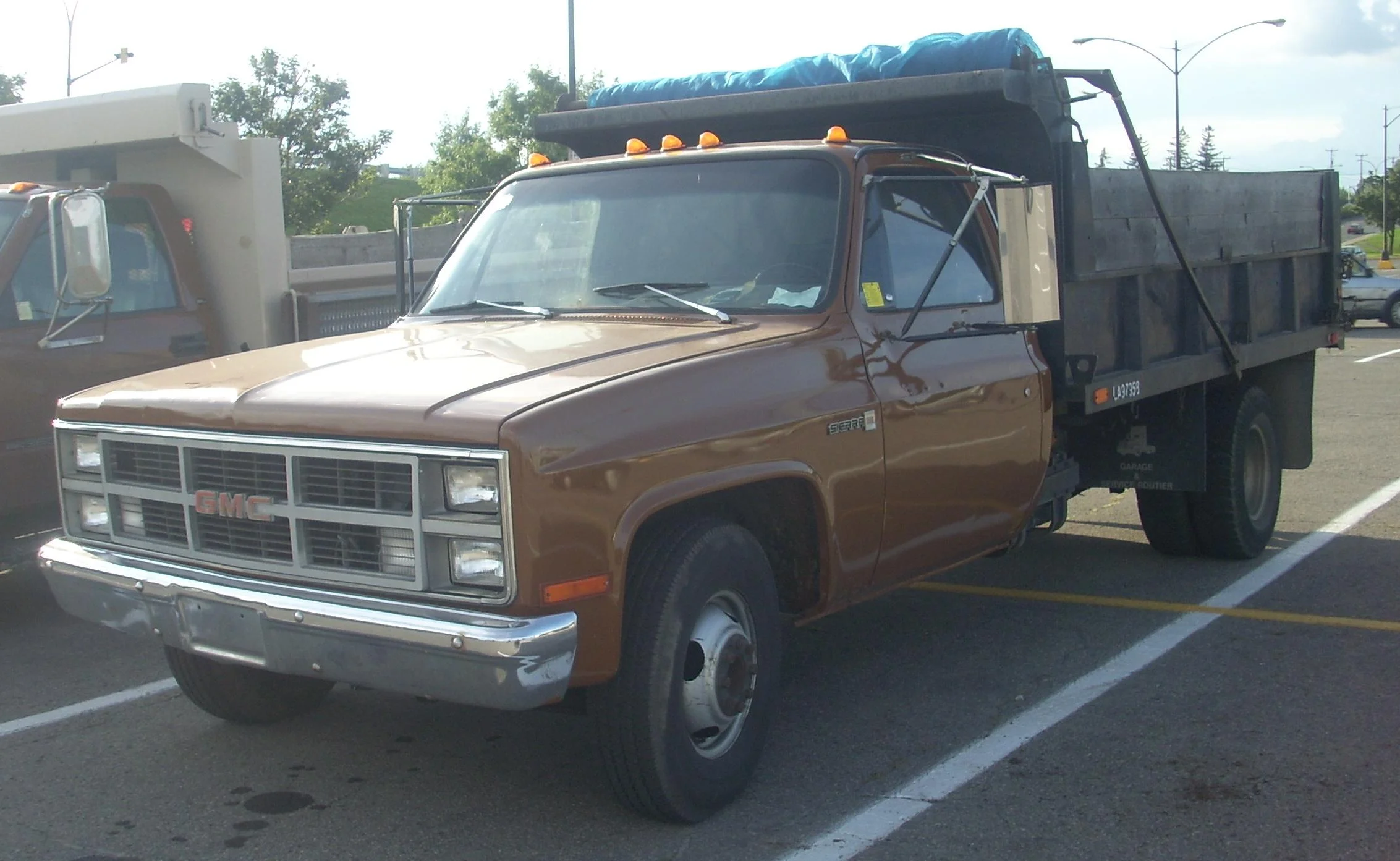
Brief Introduction of GMC 3500 Regular Cab
The GMC 3500 Regular Cab is a heavy-duty, full-size pickup truck designed for demanding work and significant towing and hauling needs. As a one-ton truck, it represents the pinnacle of GMC’s consumer-grade conventional pickup lineup, offering immense power and capability. Its popularity stems from a combination of professional-grade engineering, robust performance, and a reputation for durability. The Regular Cab configuration, with its two doors and single row of seating, is the quintessential work truck, maximizing bed length and payload capacity. Over the years, the GMC 3500 has evolved through multiple generations, each introducing new technologies, more powerful engines, and increased refinement, while still retaining its core identity as a powerful workhorse. It has been offered in a variety of trims and with numerous powertrain options, ensuring its versatility for a wide range of applications.

GMC 3500 Regular Cab Overview
| Brand | GMC |
| Model | Sierra 3500 HD Regular Cab |
| Launch Year | 1988 (as part of the C/K line) |
| Price | Starting from approximately $47,500 for the latest models. |
| Variants | Pro, SLE |
| Body Type | Heavy-Duty Pickup Truck |
| Engine | 6.6L V8 Gas, 6.6L Duramax Turbo-Diesel V8 |
| Power & Torque | Gas: 401 hp & 464 lb-ft | Diesel: 470 hp & 975 lb-ft |
| Transmission | Allison 10-speed automatic |
| Fuel Type | Gasoline, Diesel |
| Mileage | Not rated by the EPA for heavy-duty trucks. |
| Colors | Summit White, Onyx Black, Cardinal Red, Sterling Metallic, Thunderstorm Gray, Downpour Metallic |
| Safety Rating | Not typically rated by IIHS or NHTSA due to its classification. |
| Dimensions | Varies by model year; latest models are approximately 236.6 inches in length. |
| Boot Space | Not applicable (Cargo bed volume varies by configuration) |
Generations and History of GMC 3500 Regular Cab
First Generation (1988-2000) – GMT400
The first generation of the GMC 3500, as part of the C/K lineup on the GMT400 platform, marked a significant leap forward in truck design. Launched for the 1988 model year, these trucks featured a more aerodynamic design and a more comfortable interior compared to their predecessors. The Regular Cab was a staple of this generation, offering a no-nonsense work truck configuration. Engine options for the 3500 series included a standard 5.7L V8, with an available 7.4L V8 for more demanding tasks. A 6.2L diesel V8 was also offered, providing a high-torque option for heavy towing. These engines could be paired with either manual or automatic transmissions. The chassis was a fully welded frame with an independent front suspension, a notable improvement in ride quality for a heavy-duty truck.
Second Generation (2001-2007) – GMT800
The second generation, built on the GMT800 platform, saw the introduction of the “HD” (Heavy Duty) designation for the 2500 and 3500 models in 2001. This generation brought a more rounded exterior design and significant upgrades in powertrain technology. The standard engine for the 3500 HD was a 6.0L Vortec V8, with an available 8.1L Vortec V8 for maximum gasoline power. The big news, however, was the introduction of the 6.6L Duramax diesel V8 engine, which offered a substantial increase in torque and towing capability. This engine was often paired with an Allison automatic transmission, a combination that became legendary for its durability and performance. The interior also saw significant improvements, with better materials and a more modern layout. A minor facelift in 2003 brought a new front-end design and further interior refinements.
Third Generation (2007-2014) – GMT900
The third generation, based on the GMT900 platform, was an evolution of the successful GMT800 trucks. The exterior design became more chiseled and aggressive, with a prominent grille and squared-off wheel wells. The interior was completely redesigned with a focus on ergonomics and premium materials, especially in higher trim levels. Powertrain options were refined, with the 6.0L Vortec V8 continuing as the standard gasoline engine and the 6.6L Duramax diesel receiving power and torque upgrades throughout the generation. The Regular Cab continued to be a popular choice for vocational and fleet customers who needed a dedicated work truck. This generation saw an increased focus on towing and hauling, with integrated trailer brake controllers and other trailering-specific features becoming more common.
Fourth Generation (2015-2019) – K2XX
The fourth generation, built on the K2XX platform, brought a more modern and upscale look to the Sierra HD lineup. The exterior was characterized by a bold chrome grille, projector-beam headlamps, and a more sculpted body. The interior was significantly upgraded with a focus on comfort and technology, featuring an available 8-inch touchscreen infotainment system and higher-quality materials throughout. The standard engine remained the 6.0L V8, while the 6.6L Duramax diesel received another power boost. The Regular Cab was available in lower to mid-level trims, catering to the work truck market. This generation also saw the introduction of more advanced safety features, though many were optional. For the 2019 model year, the Regular Cab configuration was discontinued from the Sierra 3500HD lineup.
Latest Generation (2020-Present) – T1XX
The latest generation of the GMC Sierra 3500HD, built on the T1XX platform, was completely redesigned for the 2020 model year. While the Regular Cab was not available for the 3500HD at the launch of this generation, it has since been offered in select configurations, primarily for fleet and commercial orders. The current Sierra 3500HD is larger and more capable than ever before. It is available with two powerful engine options: a 6.6L V8 gasoline engine and an updated 6.6L Duramax turbo-diesel V8, both paired with an Allison 10-speed automatic transmission. The latest models boast impressive towing and hauling capabilities, a host of advanced trailering technologies, and a thoroughly modern interior with a large touchscreen infotainment system and available digital instrument cluster.
GMC 3500 Regular Cab Facelifts and Yearly Updates
| Year | Change / Update |
| 1995 | Updated front fascia with a new grille and headlights. |
| 2003 | Mid-cycle refresh with a new front-end design, updated interior, and new wheel designs. |
| 2007 | Complete redesign with a new chassis, exterior, and interior. |
| 2011 | Updated front bumper and grille, and a more powerful Duramax diesel engine. |
| 2015 | Full redesign with a new exterior, interior, and updated powertrains. |
| 2017 | A revised 6.6L Duramax diesel V8 with increased power and torque was introduced. |
| 2020 | Complete redesign with a larger body, new frame, and updated engines. |
| 2024 | Refreshed exterior styling, updated interior with larger screens on higher trims, and a more powerful Duramax diesel engine. |
| 2025 | Minor updates including expanded availability of adaptive cruise control and front and rear park assist on more trims. |
GMC 3500 Regular Cab Variants and Features
The GMC 3500 Regular Cab has been offered in several trim levels over its long history, with the most common being the base Work Truck (or Pro), SLE (Special Luxury Equipment), and sometimes SLT (Special Luxury Touring). The focus of the Regular Cab has always been on utility and functionality. Interiors in the base models are typically durable and easy to clean, with vinyl or cloth seating. Higher trims like the SLE add more comfort and convenience features such as carpeted floors, an upgraded sound system, and power windows and locks. Safety features have evolved significantly over the generations, with modern versions offering a suite of available driver-assistance technologies. Infotainment systems have also seen a dramatic transformation from basic AM/FM radios to the large touchscreen displays with smartphone integration found in the latest models. Comfort and technology in the Regular Cab are generally more modest compared to the crew cab models but have kept pace with industry standards for work-oriented trucks.
GMC 3500 Regular Cab Engine, Performance, and Driving Experience
The GMC 3500 Regular Cab has always been about power and performance. Across all generations, a range of V8 engines has been available, with both gasoline and diesel options. Early generations offered a choice of gasoline V8s and a diesel option. The introduction of the 6.6L Duramax diesel in the second generation was a game-changer, offering immense torque for towing heavy loads. This engine has been continuously updated over the years, with the latest versions producing impressive power and torque figures. The standard gasoline engine in recent models is a 6.6L V8, providing ample power for most tasks. Transmissions have also evolved, from 4-speed automatics in earlier models to the sophisticated Allison 10-speed automatic found in the current generation. The suspension is designed for heavy loads, which can result in a firm ride when the truck is unloaded. However, advancements in suspension technology have improved ride quality over the years. Handling is what one would expect from a large, heavy-duty truck – stable and predictable, especially when towing. Acceleration is strong, particularly with the diesel engine, even when carrying a heavy load.
GMC 3500 Regular Cab Pricing and Mileage
Pricing for the GMC 3500 Regular Cab varies significantly depending on the model year, trim level, and options. The latest models start in the mid-$40,000 range for a base model and can increase with added features and the diesel engine option. Due to their classification as heavy-duty vehicles, the EPA does not provide official fuel economy ratings for the GMC 3500. Real-world mileage will vary greatly depending on the engine, load, and driving conditions. Diesel engines generally offer better fuel economy than their gasoline counterparts, especially when towing. Maintenance costs are typically higher for heavy-duty trucks compared to light-duty models due to their more robust components and larger fluid capacities.
GMC 3500 Regular Cab Colors, Design, and Dimensions
The exterior design of the GMC 3500 Regular Cab has always projected an image of strength and capability. The styling has evolved from the boxy look of the late 1980s to the more sculpted and aggressive design of the current models. Common exterior colors include a range of whites, blacks, silvers, and reds. Interior design has also seen a significant transformation, moving from purely functional to more comfortable and technologically advanced, even in the work-oriented Regular Cab models. Dimensions have grown over the years, with the latest models being longer, wider, and taller than their predecessors. Ground clearance is substantial, befitting a heavy-duty truck. Wheel sizes have also increased, with larger wheel and tire packages available for both aesthetic and functional purposes.

GMC 3500 Regular Cab Safety Features
- Multiple airbags, including frontal and side-impact airbags in later models.
- Anti-lock brakes (ABS) became standard in later generations.
- Electronic Stability Control (StabiliTrak) was introduced in later models to improve stability.
- Crash test ratings from agencies like the NHTSA and IIHS are not typically available for heavy-duty trucks.
- Modern models offer a suite of advanced safety systems, such as Forward Collision Alert, Lane Departure Warning, and a Rear Vision Camera.
GMC 3500 Regular Cab Infotainment and Connectivity
Infotainment and connectivity options in the GMC 3500 Regular Cab have evolved dramatically. Early models featured basic AM/FM radios with cassette or CD players. Over time, features like satellite radio and auxiliary inputs were added. The current generation offers a sophisticated infotainment system with a large touchscreen display, Apple CarPlay and Android Auto compatibility, Bluetooth connectivity, and multiple USB ports. Navigation systems, once a high-end option, are now widely available. Higher trim levels of the Regular Cab may offer premium sound systems and other advanced connectivity features. Wireless charging is also available on some recent models.
GMC 3500 Regular Cab Owner Reviews & Ratings
Owner reviews for the GMC 3500 Regular Cab generally praise its powerful engines, especially the Duramax diesel, and its immense towing and hauling capabilities. Many owners appreciate the truck’s durability and reliability for demanding work. Common complaints, particularly for older models, often relate to the firm ride when unloaded and fuel consumption of the gasoline engines. The interior comfort and features of higher trim levels are often highlighted as a positive aspect. Reliability ratings from various sources are generally average to good for the heavy-duty truck segment, with some model years being more highly regarded than others.
GMC 3500 Regular Cab Comparison with Similar Cars
The GMC 3500 Regular Cab’s primary competitors have always been the Ford F-350 and the Ram 3500. All three trucks offer similar capabilities in terms of towing and hauling, with each manufacturer often leapfrogging the others in a constant battle for best-in-class figures. The GMC Sierra 3500HD is often praised for its comfortable ride and well-appointed interior, particularly in higher trim levels. The Ford F-350 is known for its available Power Stroke diesel engine and a wide range of available technology features. The Ram 3500 stands out with its available Cummins diesel engine and a reputation for a comfortable ride, thanks to its optional rear air suspension. In terms of pricing, all three trucks are competitively priced, with the final cost depending heavily on the chosen trim, engine, and options. Mileage is comparable across the three, with no official EPA ratings available. The choice between them often comes down to brand loyalty and personal preference in terms of styling, interior design, and specific features.
GMC 3500 Regular Cab Awards and Recognition
- The GMC Sierra HD lineup has received numerous awards over the years for its towing capabilities and overall performance.
- The 2020 GMC Sierra HD was a contender for the Motor Trend Truck of the Year award.
- The GMC Sierra 3500HD has been recognized for its high resale value in the heavy-duty truck segment.
- The GMC Sierra 3500HD won PickupTrucks.com’s “Heavy Duty Hurt Locker” comparison test.
Interesting Facts about GMC 3500 Regular Cab
- GMC has been producing trucks for over a century, with a long history of building commercial and military vehicles.
- The “Sierra” name was first used as a trim level before it became the model name for GMC’s full-size trucks.
- The Allison transmission, a hallmark of the Duramax-equipped Sierra HDs, has its roots in aviation and military applications.
- GMC stands for General Motors Company.
GMC 3500 Regular Cab Legacy and Influence
The GMC 3500 Regular Cab has played a significant role in establishing GMC’s reputation as a builder of “Professional Grade” trucks. Its legacy is one of power, capability, and durability. The model has been a popular choice for commercial and fleet use, where its work-focused design and robust engineering are highly valued. The continuous evolution of the Sierra 3500HD, with its increasing power, technological advancements, and improved refinement, has helped GMC maintain a strong position in the highly competitive heavy-duty truck market. Its influence can be seen in the way other manufacturers have also focused on improving the comfort and technology of their heavy-duty trucks, recognizing that even work trucks can benefit from a more premium feel.
GMC 3500 Regular Cab Global Availability
The GMC 3500 Regular Cab is primarily sold in North America, including the United States, Canada, and Mexico. It is also available in the Middle East, where large American pickup trucks are popular. The GMC Sierra 3500HD is not officially sold in most of Europe, Asia, or South America in a factory right-hand drive configuration. However, there are third-party companies that specialize in converting the GMC Sierra to right-hand drive for markets like Australia and the UK. These conversions are typically done on an individual basis and are not officially supported by General Motors.
GMC 3500 Regular Cab Maintenance and Ownership Costs
The maintenance schedule for a GMC 3500 Regular Cab typically involves regular oil changes, tire rotations, and fluid checks. Service intervals for more significant maintenance items are outlined in the owner’s manual. The average maintenance cost for a heavy-duty truck like the Sierra 3500HD is generally higher than for a light-duty truck due to the larger size and more robust nature of its components. Spare parts are widely available in North America, ensuring that repairs can be carried out with minimal downtime. The resale value of the GMC Sierra 3500HD is generally strong, particularly for well-maintained diesel models, which are in high demand. Warranty coverage typically includes a bumper-to-bumper warranty and a longer powertrain warranty that covers the engine, transmission, and drivetrain components.
Final Words about GMC 3500 Regular Cab
The GMC 3500 Regular Cab is a formidable machine, built to handle the toughest jobs with confidence. Its appeal lies in its straightforward, no-compromise approach to capability. For buyers who need maximum towing and hauling capacity in a traditional work truck package, the 3500 Regular Cab is an excellent choice. While it may not have the passenger space of its crew cab siblings, it makes up for it with a longer bed and a focus on utility. The future of the GMC 3500 Regular Cab is likely to see a continued emphasis on technological advancements, particularly in the areas of trailering assistance and connectivity. As the demand for capable and sophisticated work trucks continues, the GMC 3500 Regular Cab is well-positioned to remain a leader in its class, offering a compelling blend of power, performance, and professional-grade quality.